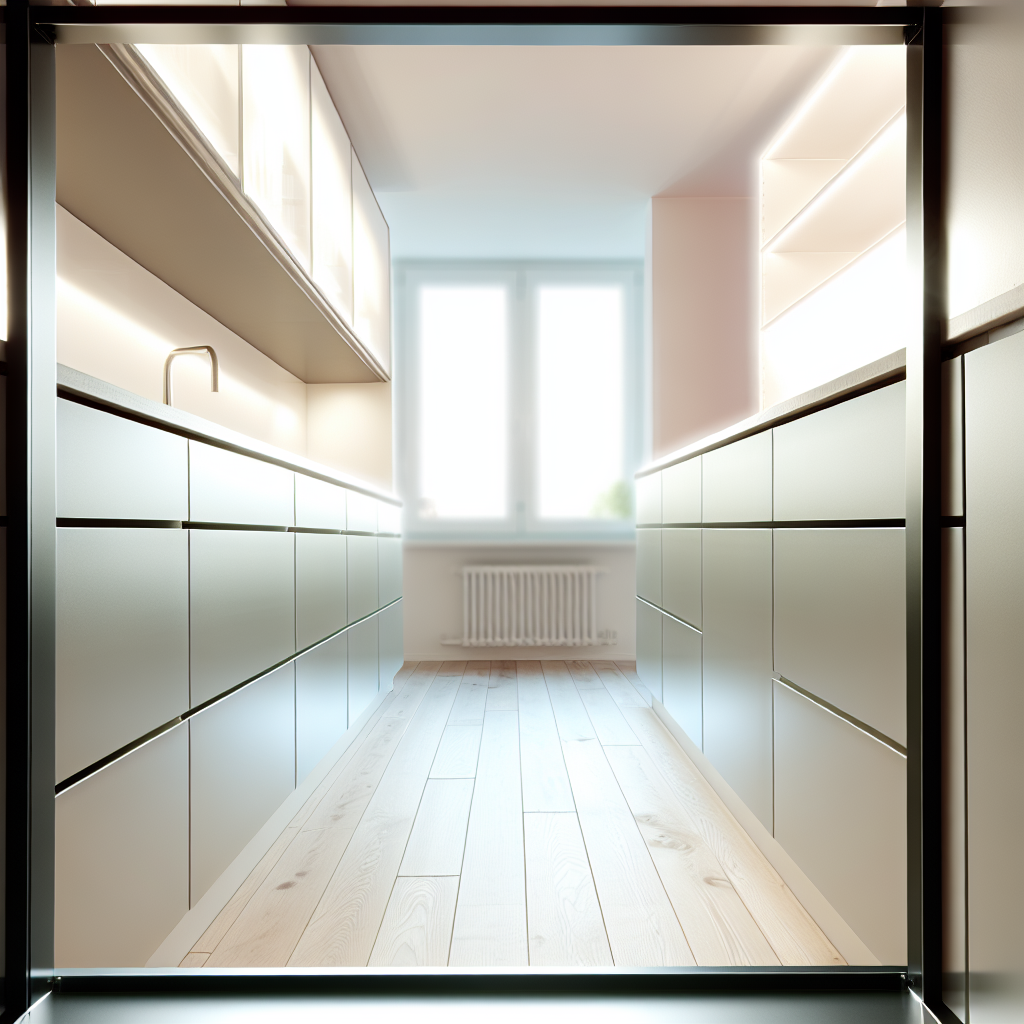
Understanding the Role of Kitchen Base Cabinets in Efficient Kitchen Layouts
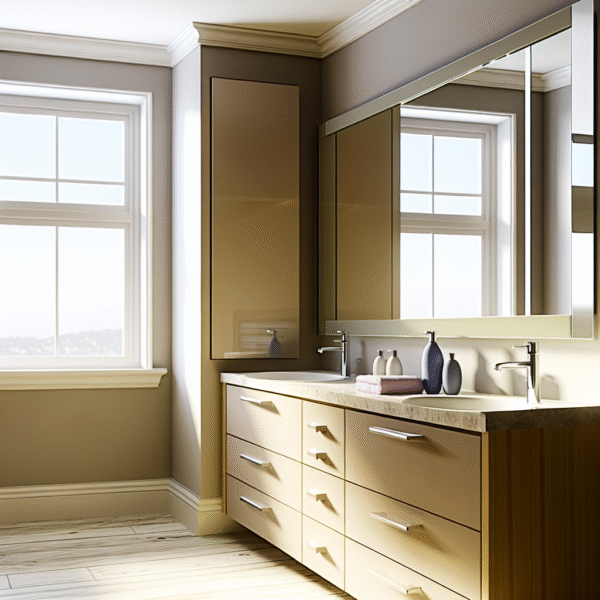
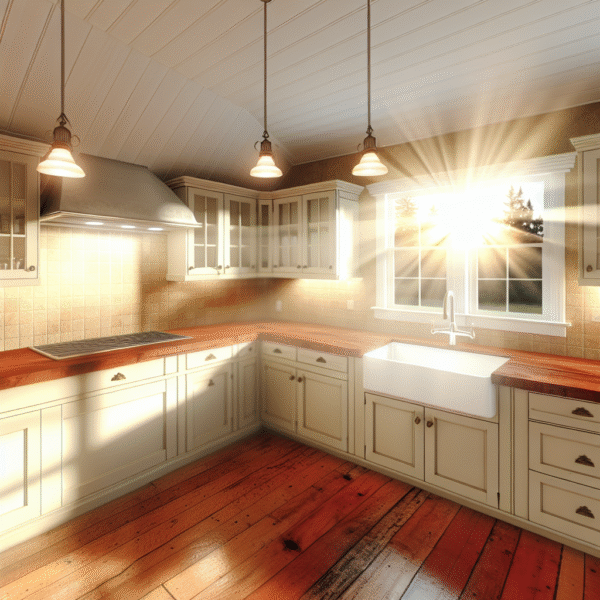
Kitchen base cabinets form the backbone of functional and well-designed kitchen spaces. Whether you’re setting up a cozy homestead in Alaska, converting a Vanagon for mobile cooking, or creating a weekend retreat in Santa Fe, these under-counter cabinets make cooking simpler and more enjoyable.
Kitchen base cabinets determine not only how your space looks but how it feels to use. Need to grab a sauté pan in a hurry before a hike at Bryce Canyon? Searching for a chopping board before heading to the beach in Big Sur? A well-arranged cabinet system improves efficiency, minimizes clutter, and streamlines your routine.
Types of Kitchen Base Cabinets and How to Choose Them
From rustic cabins in Maine to sleek condo kitchens near South Congress in Austin, kitchen layouts vary—but the importance of kitchen base cabinets remains constant. These essential units sit beneath your countertops, anchoring your space while offering convenient access to everyday items.
- Standard Base Cabinets: Typically, 24 inches deep and about 34.5 inches high (excluding the countertop). These are versatile and suitable for pots, pans, and baking trays.
- Corner Base Cabinets: Ideal for L- or U-shaped kitchens. Features like lazy Susans or pull-out trays turn tight spots into usable storage, especially helpful in compact kitchens.
- Drawer Base Cabinets: Great for those tired of rummaging through stacked items. Drawers keep tools organized and accessible for everyone—including kids.
- Sink Base Cabinets: Designed to accommodate plumbing and sinks. Often with open backs, they support drainage systems and trash pull-outs.
Consider your lifestyle when selecting base cabinets. A large family cooking in an outdoor kitchen in the Oregon Cascades may need wide shelving for roasting pans. Meanwhile, minimalists in a city apartment might opt for streamlined drawer units to reduce visual clutter.
Optimizing Layouts: Common Work Zones Using Kitchen Base Cabinets
From mountain lodges in the Rockies to culinary workshops in San Francisco, one element remains consistent workflow. Divide your kitchen into three distinct zones—prep, cooking, and cleaning—anchored by smartly arranged kitchen base cabinets.
Prep Zone
Store mixing bowls, cutting boards, measuring cups, and food processors in deep, accessible base drawers. Families can benefit from cabinets kids can reach easily. Solo travelers outfitting camper kitchens can use compact drawers near the fridge to keep essentials within reach.
Cooking Zone
Located around the stove or cooktop, this zone should house pots, pans, utensils, and oven mitts. Add drawer dividers for spices or cooking oils. Whether you’re whipping up Sunday brunch in Portland or reheating tacos at an ocean-side campsite, this setup keeps the action smooth.
Cleaning Zone
This zone surrounds the sink and dishwasher. Use kitchen base cabinets here for storing cleaning supplies, garbage and recycling bins, or dish racks. In tiny homes or off-grid retreats in Moab, modular, low-footprint cabinets offer major advantage in a small footprint.
Install pull-out trays and roll-out bins to avoid wasted space and turn chaos under the sink into organized efficiency.
Space-Savers and Hidden Gems in Cabinet Storage
Clever storage solutions can transform kitchen base cabinets from basic to brilliant. Whether in family lodges or stylish Airbnb’s abroad, smart design always starts below the counter.
- Toe-Kick Drawers: Hidden beneath traditional cabinets, these are perfect for flat items like baking sheets or placemats. A lifesaver in compact kitchens or RV setups.
- Pull-Out Pantry Units: These slim base cabinets fit where tall pantries can’t. Great for spices, snacks, and sauces—commonly used in eco-conscious cabins and tiny homes.
- Appliance Garages: Lowered workstations with pull-out base storage for blenders or stand mixers. Useful in kitchens designed for family cooking or ergonomic efficiency.
Consider using slide-out trash compartments in farm kitchens focused on composting. Traveling with pets? Try dedicated pet food drawers. The right cabinet can serve multiple purposes, adapting seamlessly to your lifestyle.
Styles and Materials for Every Destination and Lifestyle
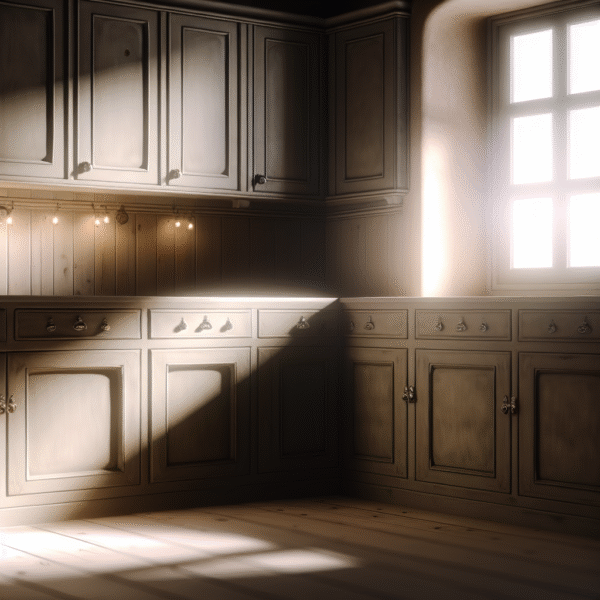
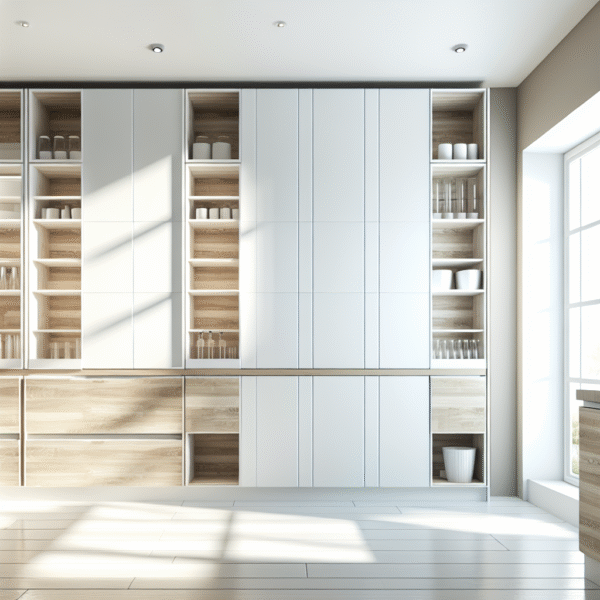
Kitchen base cabinets come in materials and designs suited to every style—from rugged wilderness camps to modern city lofts. Choosing the right finish enhances both durability and aesthetics.
- Wood Veneer: Versatile and classic. Responsibly sourced oak or maple works well in lakeside cottages or forested hideaways.
- MDF and Laminate: Affordable and moisture resistant. Perfect for beachside kitchens or humidity-prone environments like the Outer Banks.
- Metal and Steel: Durable and industrial. Ideal for high-impact cooking zones or contemporary loft kitchens.
- Painted Solid Wood: Adds charm and character. Great for customizable color palettes in artistic regions like Asheville or Santa Fe.
Mixing materials within your layout can help define work zones and create visual interest. Neutral tones suit prep areas, while bold, warm colors can designate cooking zones—ideal for social sharing and visual appeal.
Installation Tips and Customization for a Life in Motion
Installing kitchen base cabinets can be a rewarding DIY project, especially for families or mobile dwellers. Securely anchor cabinets into wall studs with solid brackets, particularly in vehicles or boats where motion is common.
In earthquake-prone regions like the Pacific Northwest or California, consider soft-close hinges and latching hardware to prevent spills and damage. Glamping chefs and outdoor kitchen enthusiasts should opt for weather-resistant materials and stainless-steel interiors to withstand exposure.
Need extra flexibility? Turn base cabinets into seating or portable islands with the addition of butcher block tops and cushions. These dual-function cabinets are ideal for small or mobile kitchens where space is precious.
Designing Kitchens Globally: What Cabinets Say About Culture
Kitchen base cabinets reveal more than design—they reflect how communities cook and connect. In Mexico, they support open-air stations where tortillas sizzle over fire. In Japan, low-profile units fit minimalist spaces with elegance and quiet function. Morocco’s tiled cabinetry celebrates spice, color, and tradition with every drawer.
No matter where you cook—from a vineyard in Sonoma to a rustic barn in Normandy—well-planned kitchen base cabinets create order, flow, and creativity. Think beyond storage. Design your layout to reflect your lifestyle, celebrate your culinary rituals, and support the adventures ahead.