Cabinet Knobs offer a simple way to improve storage, comfort, and style throughout a room. The right size and material make doors easier to open while supporting the surrounding design.
Before buying new hardware, check the cabinet type, finish, and door thickness. These details will help you choose knobs that fit properly and hold up to daily use.
How to Choose Cabinet Knobs
Start with the room’s existing finishes and the amount of use each cabinet receives. Kitchen and bathroom hardware needs durable surfaces that tolerate moisture, grease, and frequent cleaning.
Next, hold a few samples against the cabinet doors. Lighting can change how metal, glass, ceramic, and wood finishes look throughout the day.
Match the Knob to the Cabinet Style
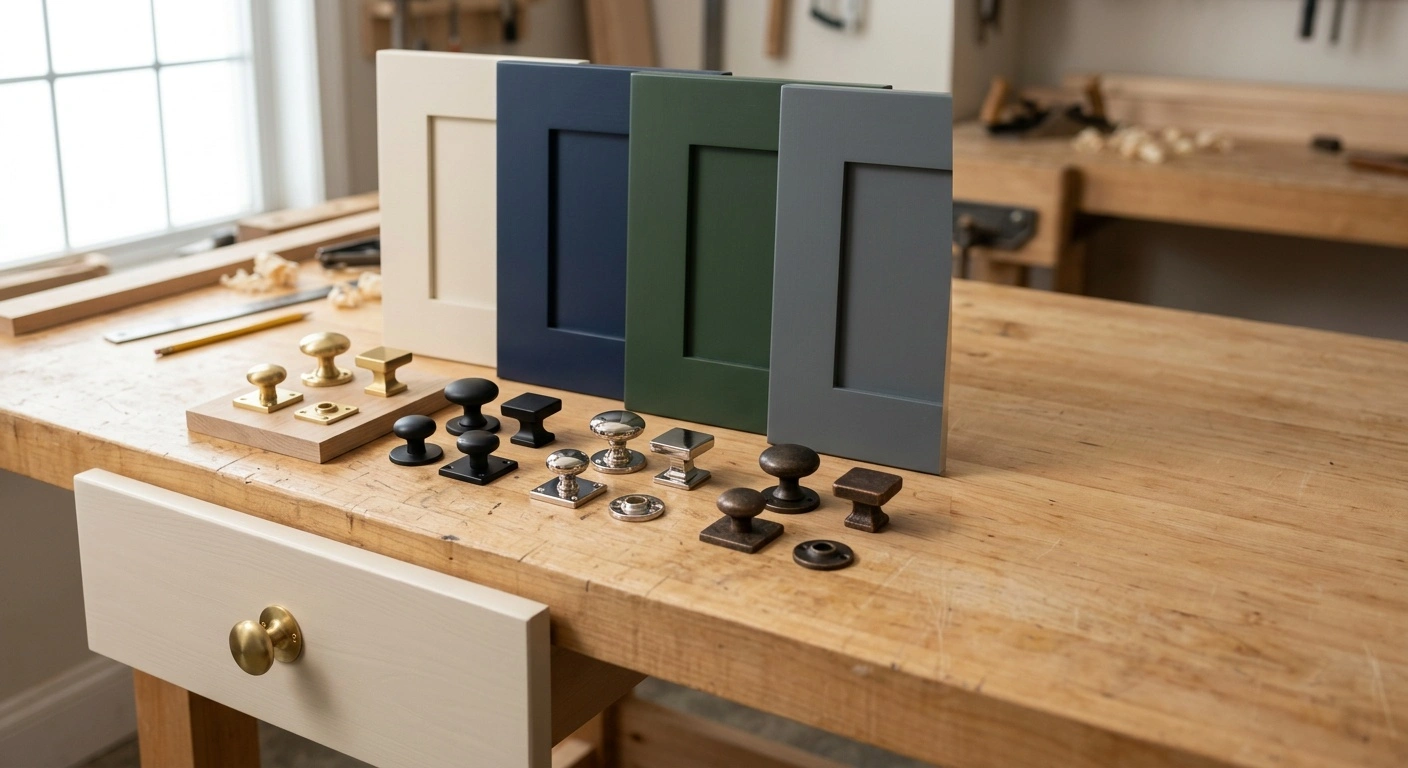
Simple round or square knobs suit many Shaker and slab-front cabinets. Detailed ceramic, glass, or cast-metal designs often complement traditional doors with raised panels.
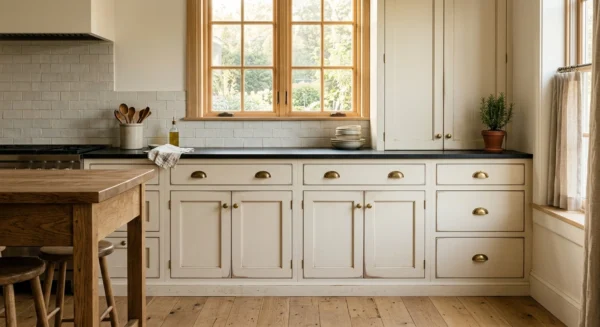
Contrast can also work well. For example, matte black hardware gives pale cabinets a defined outline without adding visual clutter.
Consider Size and Grip
Most standard cabinet knobs measure between 1 and 1.5 inches across. Larger knobs can provide a firmer grip, especially on heavy doors or wide drawers.
Check the projection as well as the diameter. A shallow knob may look neat but leave too little space for comfortable use.
People with limited hand strength may prefer broad knobs or short pulls. Test the hardware in person when comfort and accessibility guide the decision.
Common Materials and Finishes
Metal hardware remains a practical choice for busy kitchens and bathrooms. Brass, bronze, stainless steel, zinc, and iron each offer different costs, weights, and maintenance needs.
- Brass: Provides a warm tone and develops a natural patina unless it has a protective coating.
- Stainless steel: Resists corrosion and pairs well with many modern appliances.
- Bronze: Adds depth to traditional or rustic cabinetry.
- Zinc alloy: Supports many shapes and finishes at an accessible price.
- Glass or crystal: Reflects light and suits decorative furniture or low-use cabinets.
- Ceramic: Adds color and pattern, though hard impacts may chip the surface.
- Wood: Creates a warm, understated look but may require occasional refinishing.
Finish names can vary between manufacturers. Compare physical samples instead of relying on labels such as satin nickel, antique brass, or oil-rubbed bronze.
Knobs Versus Pulls
Knobs use one mounting screw, so they require less drilling and suit compact doors. Pulls use two screws and give the hand more leverage.
You can also combine both types. Many kitchens use knobs on doors and pulls on drawers for practical access and visual balance.
Consistency still matters. Keep finishes, shapes, or design details related so the mixed hardware looks intentional.
Placement and Installation Tips
Place door knobs near the corner opposite the hinges. On base cabinets, installers usually position them near the upper corner of each door.
Upper cabinets typically need hardware near the lower corner. Keep each knob the same distance from the door edges for an orderly result.
A hardware jig helps maintain accurate spacing across several doors. Mark every hole carefully, then confirm the position before drilling.
- Cover the drilling area with painter’s tape to protect the finish.
- Measure and mark the hole location.
- Drill from the front with a bit that matches the screw diameter.
- Insert the screw through the back of the door.
- Tighten the knob by hand, then secure it gently with a screwdriver.
Avoid overtightening the screw. Too much pressure can crack wood, damage ceramic, or leave a visible mark around the hardware.
Care and Maintenance
Clean Cabinet Knobs with a soft cloth and mild soap. Harsh cleaners can strip protective coatings or alter specialty finishes.
Dry the hardware after cleaning, especially in humid rooms. Check loose knobs regularly and tighten them before movement enlarges the screw hole.
Uncoated brass and bronze may darken over time. Use a manufacturer-approved polish if you prefer a brighter surface.
Making the Final Selection
Choose Cabinet Knobs based on grip, scale, material, and maintenance needs. A sample knob can reveal fit or finish problems before you order a full set.
Count every door and drawer, then purchase a few extras. Spare hardware makes future replacements easier if a knob breaks or a finish leaves production.